Kangan Upadhye.


Auroville is an international township in southern India dedicated to exploring new models of community living, sustainability, and human development.
Education holds a central place in this vision, serving as a means for both individual and collective growth.
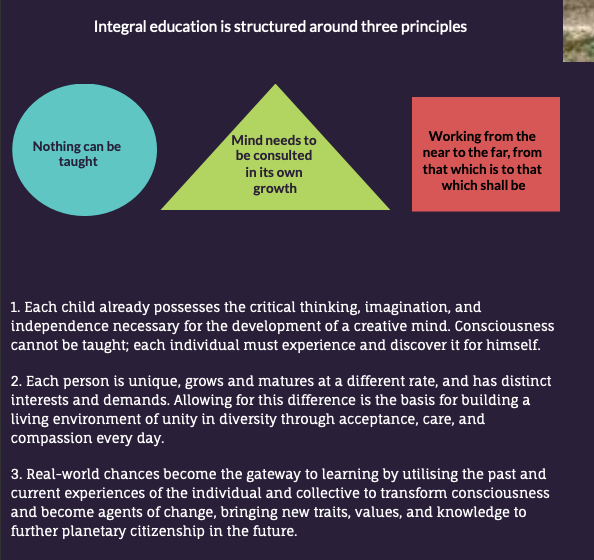
The research, conducted by Maya, examined the philosophy and practice of Integral Education in Auroville’s schools, exploring how its principles are applied through curriculum, pedagogy, and community engagement.
I compiled a report that synthesised the study’s findings, outlining key challenges related to implementation, teacher development, and institutional coherence, and highlighting opportunities to strengthen Auroville’s educational model as a living experiment in holistic and transformative learning.
Integral Education in Auroville Schools -
A research study on educational foundations, challenges, and opportunities

Climate Conversations
Scottish Communities Climate Action Network (SCCAN) is a volunteer-led network working to address the climate and nature emergency. It brings together individuals and groups across Scotland to share learning, build resilience, and take collective action for a just, thriving, and sustainable future.

Post Graduate Work
Digital Governance
What is it about public sector bureaucracies that explains why they so often seem to struggle with making the transition to digital-era ways of working? What can be done to facilitate this transition so that the public sector does not lag behind digital society in general?
Policy interventions for preventing sexual violence in India
Sexual violence is a grievous crime that continues to plague our society and has seen a worrying rise in India, despite sustained preventive efforts by the government. Addressing this issue requires more than legal and punitive measures—it demands a deeper understanding of the psychological and social drivers of such behaviour.
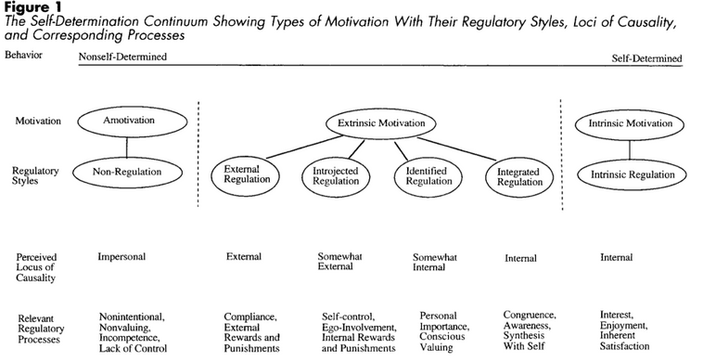
This paper draws on behavioural public policy and the principles of Self-Determination Theory (SDT) to explore new approaches to prevention. By focusing on the basic psychological needs of autonomy, competence, and relatedness, SDT provides a framework for fostering internalised attitudes that reject violence and support gender equality. Interventions grounded in this approach aim to shift behaviour by promoting values-driven, autonomous self-regulation—reducing the likelihood of harmful actions and cultivating a broader culture of zero tolerance toward sexual violence.
However, implementing such strategies in India faces practical challenges, particularly around access to education and resource constraints. This paper also reflects on how these limitations can be addressed to ensure meaningful, scalable impact.